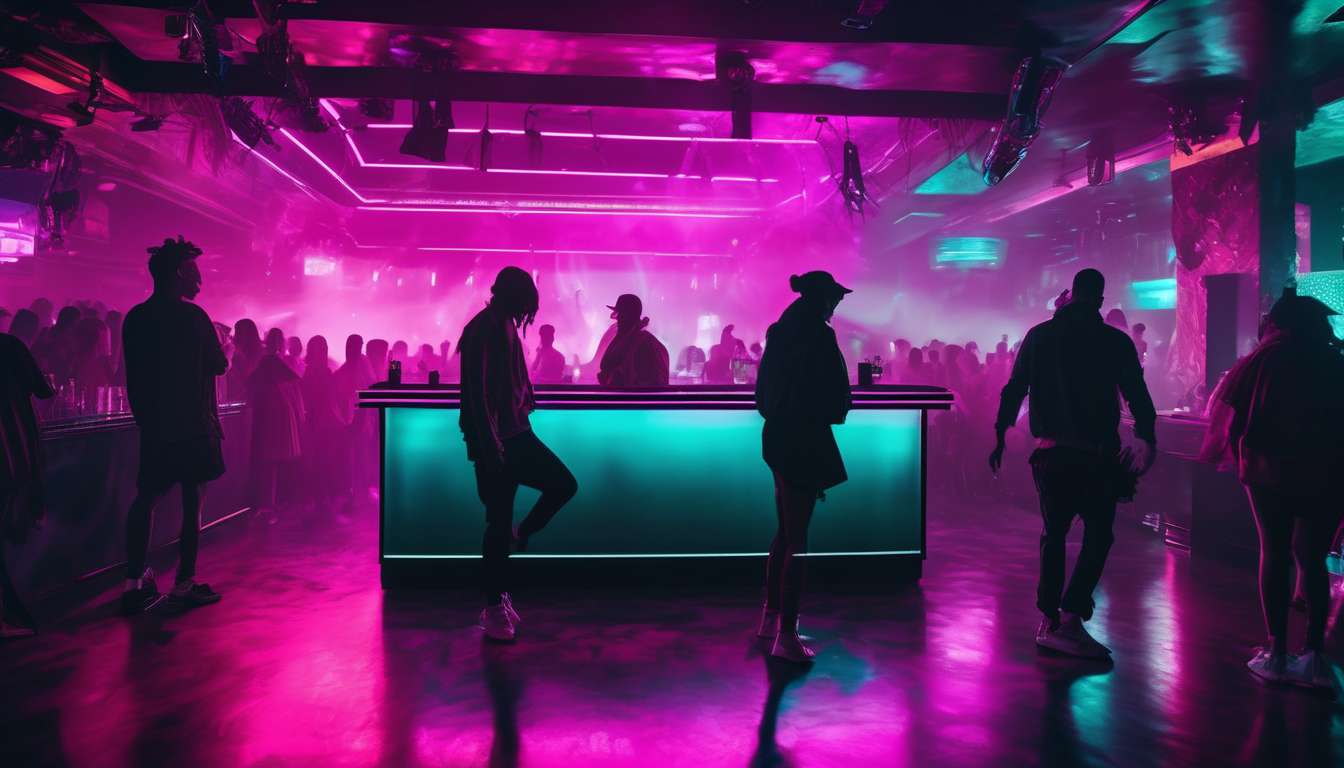
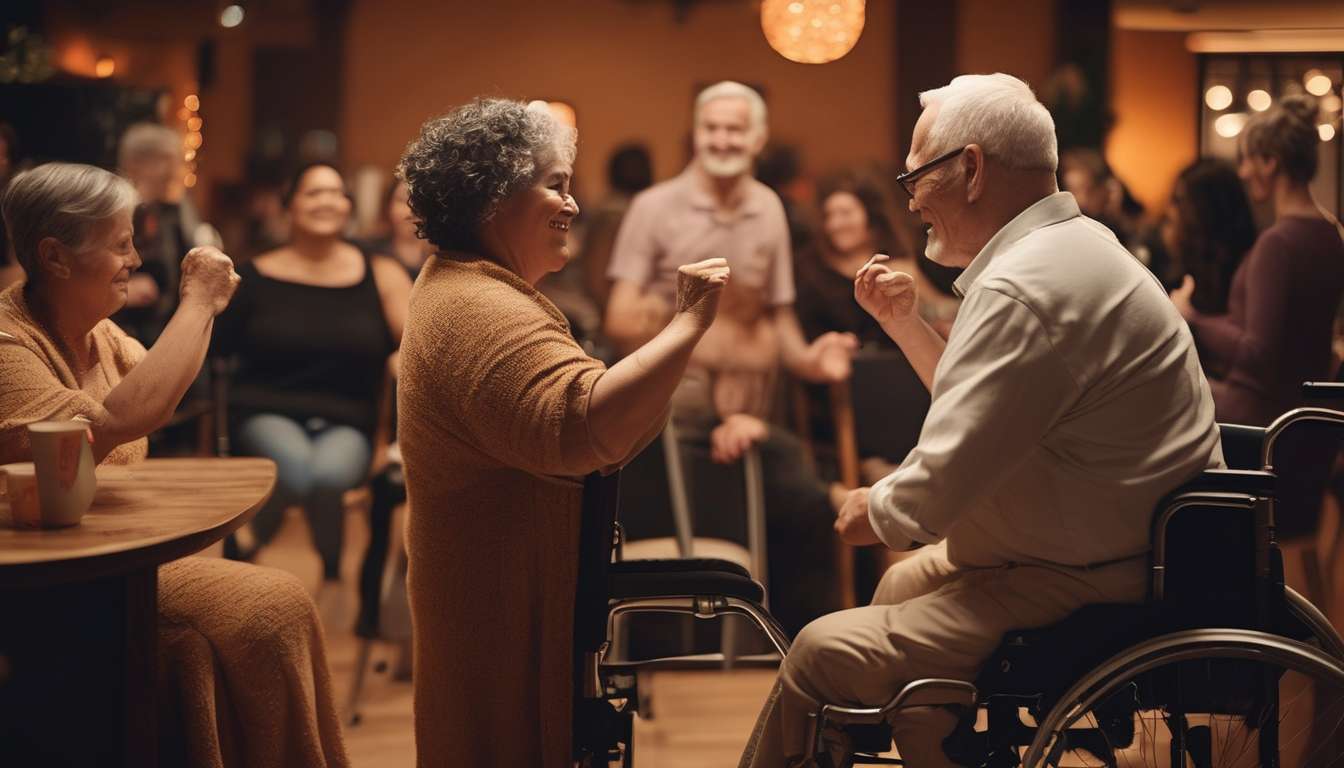
On the dance floor, every step is a conversation — "we move, therefore we belong."
We believe that customer service at inclusive adult dance venues should echo that proverb: attentive, rhythmic, and attuned to every body’s needs.
As organizers, staff, and regulars, we prioritize creating atmospheres where consent, accessibility, and clear communication are as integral as the playlist.
We recognize that inclusivity is not a buzzword but a set of actionable practices:
- Flexible seating
- Transparent pricing
- Sensory-friendly hours
- Staff trained in de-escalation and disability etiquette
- Booking policies that center safety and dignity
We commit to listening to marginalized voices, adapting spaces for mobility and neurodiversity, and offering diverse programming that reflects varied identities and relationship models.
Our goal is to transform transactional interactions into relational experiences, where patrons feel seen and supported from the welcome at the door to the last song.
By sharing practical approaches, we aim to help venues foster dance floors where everyone can truly belong.
Welcoming Entrance Protocols
We greet every guest promptly and warmly.
We offer clear guidance and accessible assistance as they enter.
- We use name badges with pronouns.
- We offer quiet-entry times.
- We explain the space layout so people know where to go.
We invite questions and listen without assuming.
- This helps everyone feel seen and safe.
We briefly summarize our consent policy at the door in plain language.
- We note how to signal boundaries.
- We explain where to get staff help if needed.
We make accessibility support visible.
- We provide seating options and sensory-friendly areas.
- Staff are trained to assist mobility, communication, or visual needs.
We check in discreetly when someone seems uncertain.
- We offer alternatives like escorts to restrooms or information on programming.
We keep signage clear and easy to use.
- Signs are positioned at multiple heights and in large type.
- We offer printed and verbal directions.
We aim to create an immediate sense of belonging.
- By combining respectful routines, practical accommodations, and a calm, attentive presence, we center comfort and consent.
Clear Consent Frameworks
We clearly define and teach simple, actionable consent standards so everyone knows how to ask, give, and withdraw permission at any time.
We train staff and volunteers to model respectful language, verbal check-ins, and clear nonverbal cues that reinforce a shared consent policy.
We welcome questions and normalize pauses; people belong when their boundaries are honored without explanation or pressure.
We create visible, plain-language resources—posters, quick cards, and short announcements—that outline what consent looks like in our space.
We pair these with role-play training so staff can confidently de-escalate and support someone whose boundary was crossed.
We make reporting simple and compassionate, ensuring follow-up is timely and confidential.
We coordinate with accessibility support teams to make consent practices usable for people with differing communication needs.
- Offer alternatives such as visual signals or written consent forms.
- Ensure materials and procedures are accessible in multiple formats.
By centering inclusive customer service, we foster a culture where safety, respect, and belonging are everyone’s responsibility.
Accessibility and Mobility Support
We ensure venues and programming remove physical and informational barriers so people using mobility devices or varied movement styles can participate fully and comfortably.
- We provide step-free routes, wide doorways, and clear seating options.
- We share layout maps and transit information so people can plan confidently.
- Our team offers accessibility support at arrival and during events, including trained ushers and portable seating.
We center inclusive customer service by asking participants about needs in advance and offering discreet assistance without pressure.
- Our consent policy extends to physical guidance: staff and volunteers always ask before assisting, respect refusals, and document preferences for future visits.
- We train staff to use person-first language, mirror individual movement choices, and adapt partner exercises when requested.
We make booking, signage, and communications accessible—large print, plain language, and multiple formats—so everyone feels welcomed and seen.
By combining practical accommodations with respectful interaction, we build a space where mobility differences are anticipated and belonging is genuine.
Sensory-Aware Adjustments
We adjust lighting, sound, and sensory cues so people with sensory sensitivities or neurodivergent needs can enjoy events comfortably.
- We set gradual lighting transitions to avoid sudden flashes or abrupt changes.
- We offer lower-volume zones and clearly marked chill spaces.
- We provide quiet rooms for anyone who needs a calm retreat.
- We share sensory guides ahead of events so attendees know what to expect and can plan arrival and departure that feel safest.
We integrate inclusive customer service into every interaction.
- We ask for and use preferred names and pronouns.
- We signal schedule or location changes clearly and proactively.
- We offer alternatives rather than assuming needs or imposing solutions.
- Our consent policy covers physical contact, photography, and proximity so everyone can set boundaries confidently.
- We provide sensory-friendly session times and distribute discrete badges or wristbands for those who prefer reduced interaction.
We publish accessibility support options and solicit feedback to improve continuously.
- We list advance seating, assistive listening devices, and pre-event walkthroughs on our website and at the door.
- We collect post-event feedback and adjust practices based on what attendees report.
- We believe belonging grows when people feel seen, respected, and in control of their sensory experience.
Staff Training and Culture
We train every staff member in trauma‑informed practices, neurodiversity awareness, and de‑escalation techniques so they can respond respectfully and confidently to diverse guest needs.
We model inclusive customer service through role‑play, clear scripts, and ongoing feedback, making sure everyone knows how to offer warmth without assumptions.
We practice language that centers consent policy and verbal agreement, so interactions feel safe and mutually respectful.
We prioritize accessibility support by rehearsing arrival, navigation, and seating assistance, and by checking in discreetly when guests request accommodations.
We hire for empathy and curiosity, and we mentor new team members with shadow shifts and peer coaching to reinforce a culture of belonging.
We measure success with guest feedback and staff reflections, iterating training based on real situations.
We hold regular refreshed sessions on boundaries, anti‑bias, and emergency communication, so our standards stay current.
We celebrate staff who exemplify compassionate service, knowing that a well‑trained, supported team creates a welcoming space where every guest can relax and participate fully.
Transparent Pricing and Policies
We clearly list all fees, payment options, and refund rules up front so guests know exactly what to expect and can plan their visit without surprises.
We explain ticket tiers, drop-in rates, membership benefits, and any extra charges for workshops or special events in plain language.
- Use straightforward descriptions for each ticket/type.
- Show examples (e.g., "Family ticket: 2 adults + up to 3 children") where helpful.
We offer multiple payment options and clear timelines for cancellations and refunds so people can decide without stress.
- List accepted payment methods (cards, mobile pay, cash, vouchers).
- State exact refund/cancellation windows and any processing fees.
We tie transparent pricing to our inclusive customer service promise: pricing information sits alongside our consent policy and code of conduct so visitors see how financial and behavioral expectations connect.
We publish accessibility support details—such as reduced-price tickets, companion seating, and sensory-friendly times—so folks with differing needs feel invited and respected.
- Explain how to request accommodations and any documentation required.
- Provide contact info for accessibility inquiries.
We train staff to answer pricing and policy questions calmly and to apply rules consistently, avoiding ambiguity that can exclude.
- Include training topics: explaining tiers, handling refunds, and managing accommodation requests.
- Reinforce tone and language guidelines for staff interactions.
By keeping policies prominent, jargon-free, and aligned with our values, we help everyone feel safe, welcome, and able to participate on equal footing.
Diverse Programming and Representation
We program a wide range of dance styles, events, and teachers so people from varied backgrounds, ages, abilities, and identities see themselves reflected and feel welcome to participate.
We curate classes that span cultural traditions, contemporary forms, adaptive movement, and social dances, and we rotate instructors to foreground diverse voices.
We train staff in inclusive customer service so every interaction affirms identity, addresses needs, and communicates options clearly.
We publish a transparent consent policy for partner work and physical contact, review it before classes, and ensure instructors model respectful prompts and boundaries.
We offer accessibility support so people can engage at their comfort level.
- Ramped entrances and accessible seating options
- Audio descriptions and captions for videos
- Modified choreography and adaptive movement options
We solicit community input and use feedback loops when planning programming.
- Gather suggestions and representation preferences from participants
- Use feedback to expand offerings and adjust outreach
We advertise representation in event materials and align programming with inclusive service, consent policy, and accessibility supports.
By combining deliberate programming, accountable practices, and celebratory outreach, we build belonging for all community members.
Incident Response and Follow‑Up
Immediate response and documentation
Whenever an incident occurs, we respond quickly, document what happened, and support those affected.
We follow through with clear, timely updates and corrective actions to ensure safety and accountability.
Inclusive, compassionate customer service
We prioritize inclusive customer service by treating everyone with dignity, listening without judgment, and ensuring follow-up communications are empathetic and transparent.
Respect for consent and boundaries
Our incident process references the consent policy so we honor boundaries when:
- collecting statements,
- sharing information, or
- restoring access.
Designated coordinator and accessibility supports
We assign a trained staff member to coordinate the response, who will:
- collect factual notes,
- schedule check-ins with involved parties, and
- offer accessibility support (for example, captions, mobility assistance, or quiet spaces).
Impartial investigation and privacy protections
We investigate impartially, determine remediation steps, and communicate outcomes while protecting privacy.
Review, training, and prevention
We review patterns, update trainings, and adjust venue practices to prevent recurrence.
Corrective actions affecting programs or staffing
When corrective actions affect programs or staffing, we explain:
- the rationale,
- the timeline, and
- avenues for appeal.
Our commitment
By combining fast response, respectful care, and ongoing improvements, we reinforce trust and demonstrate that everyone belongs, is heard, and can safely participate in our community.
What measures are in place to support customers who require discreet billing or privacy protections due to safety or confidentiality concerns?
We recognize concerns about discreet billing and privacy protections and we take them seriously.
We offer alternative billing descriptors, private payment options, and staff-trained confidentiality protocols.
We limit data collection, encrypt records, and honor requests to remove or anonymize information.
We provide opt-in communications, secure online portals, and clear privacy policies.
We’ll work with patrons individually to address safety needs and ensure they feel respected, safe, and included.
How do venues handle requests for culturally or religiously specific accommodations (such as gender-separated sessions, dress-code flexibility, or prayer spaces)?
We recognize and respect culturally or religiously specific accommodation requests.
We consult guests about needs before their visit.
- We ask about specific requirements and preferences during booking or check-in.
- We communicate available options clearly so guests can make informed choices.
We offer separate sessions or designated spaces when possible.
- This can include separate activity times, male/female-only sessions, or reserved rooms.
- We provide quiet prayer or reflection areas to support spiritual practices.
We adapt dress-code expectations where appropriate.
- Reasonable flexibility is offered to accommodate religious or cultural dress while maintaining safety and operational needs.
We train staff on cultural sensitivity.
- Staff receive guidance on respectful communication, privacy, and handling accommodation requests.
We make reasonable adjustments while balancing safety and inclusivity.
- Adjustments are evaluated to ensure they do not create undue risk or exclude others.
- The goal is that everyone feels respected and welcome.
Are there systems for patrons to provide anonymous feedback or suggestions about events, staff, or accessibility after their visit?
We’re glad you asked about anonymous feedback systems; we use multiple options so everyone feels heard.
Options available:
- We offer online anonymous surveys.
- We provide comment boxes at exits.
- We place QR codes linking to private forms.
- We accept voicemail messages.
- We use third-party platforms to enhance confidentiality.
How we manage feedback:
- We monitor responses regularly.
- We share summaries with staff.
- We implement changes transparently.
Ongoing process and follow-up:
- We encourage ongoing input.
- We follow up when possible.
- We celebrate improvements suggested by our community.
Conclusion
You’ve created a space where every guest feels seen, safe, and respected.
By greeting people warmly, centering clear consent, and removing physical and sensory barriers, you make dancing accessible to all.
Train staff to embody these values.
- Provide clear training on hospitality, de-escalation, and disability awareness.
- Role-play scenarios so staff practice welcoming, consent conversations, and responding to incidents.
Publish transparent policies.
- Make your code of conduct, accessibility information, and incident-reporting process easy to find.
- Explain how reports are handled, timelines for response, and what support is available to guests.
Offer varied programming.
- Include sensory-friendly hours, diverse music and dance styles, and events for different age and ability groups.
- Provide options like quiet zones, seating, and clear signage to accommodate needs.
Respond swiftly to incidents.
- Have a clear reporting pathway and trained responders.
- Follow up with involved parties, document actions, and review policies to prevent recurrence.
When you prioritize inclusion in every detail, your venue becomes not just a place to dance, but a welcoming community where everyone can move, belong, and thrive.