
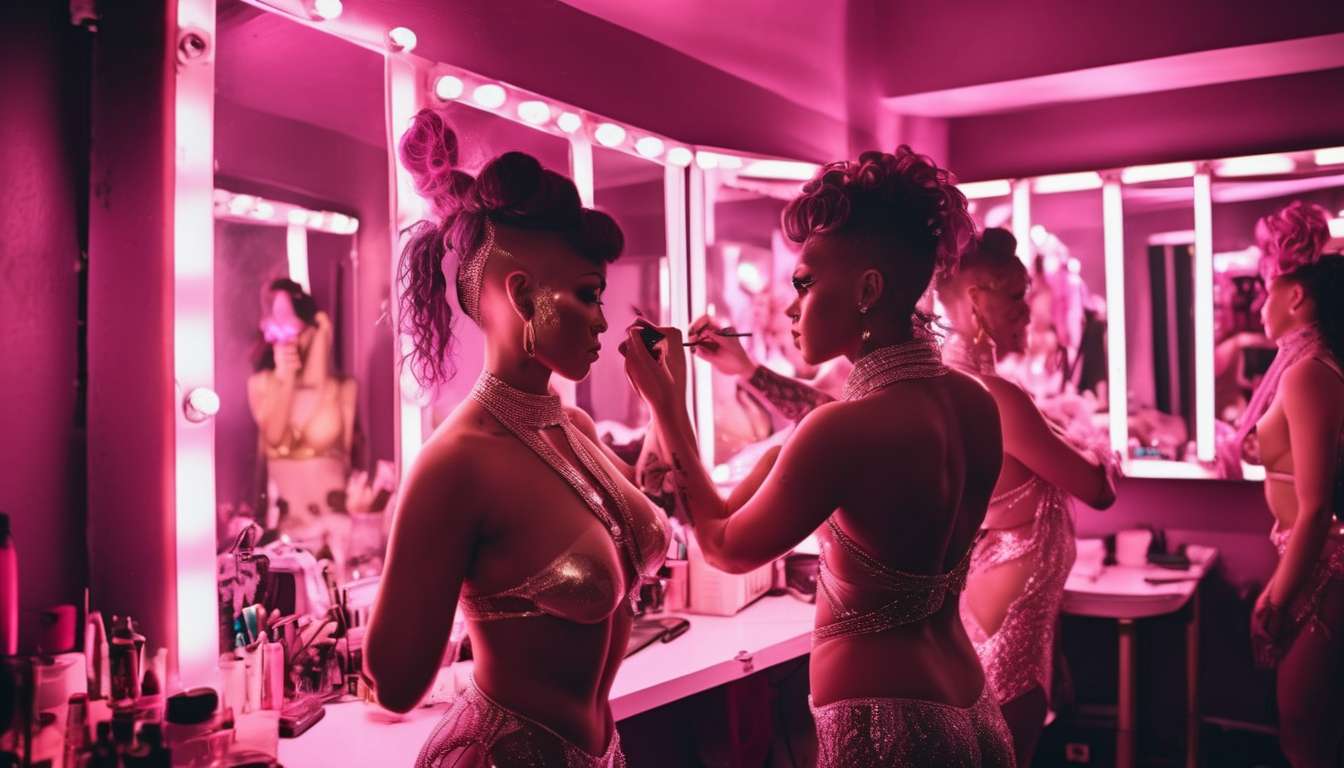
Right after the lights dimmed at a small downtown club, we watched a performer close her door and switch from stage persona to entrepreneur with the same practiced ease she used to change costumes.
In that folding-room glow we saw a different kind of labor emerging: dancers who negotiate contracts, curate online brands, and build direct relationships with fans without relying on venue gatekeepers.
We were struck by how independence reshapes earnings, safety, and creative control, and how technology, legal shifts, and changing cultural attitudes create new pathways for autonomy.
This piece follows those performers as they adapt pricing models, diversify income streams, and redefine professionalism on their own terms.
Our goal is to map:
- The economic strategies they use.
- The risks they navigate.
- The broader implications for an industry long structured by intermediaries.
Along the way we center the voices of those who are transforming exotic dance into a space of agency and sustainable work.
From Stage to CEO
Many dancers are trading the stage for the boardroom, founding agencies, production companies, and tech startups that reshape how the exotic dancing economy operates.
We’re building spaces where independent performers lead strategy, design tools, and set standards that reflect our values.
By launching collective agencies and platform cooperatives, we’re turning lived experience into governance models that center safety, fair pay, and labor rights.
We use digital platforms not just to sell performances, but to create community-owned marketplaces, training hubs, and transparent scheduling systems that reduce exploitation.
As founders, we mentor newcomers, share operational know-how, and advocate for policy changes that protect gig workers across venues and online.
We celebrate one another’s successes and treat collaboration as a growth engine, because belonging strengthens resilience.
Practical decisions—contract terms, revenue splits, moderation policies—come from those who’ve been on stage, so they’re realistic and enforceable.
Together, we’re proving that leadership rooted in our shared experience can reshape an industry to be safer, fairer, and more sustainable for everyone.
Diversifying Income Streams
We diversify earnings through multiple streams—private bookings, online content, merchandise, workshops, and passive income—so downturns in any one channel don’t derail our livelihoods.
We pool knowledge and support one another when negotiating fees for private gigs, sharing reliable referrals and strategies to ensure independent performers get paid fairly.
We embrace both digital and offline offerings by using digital platforms to host paid content, offering subscription tiers, and selling branded items, while also building offline classes and VIP experiences to balance income.
We prioritize clear contracts and collective bargaining where possible, advocating for labor rights that protect wages, scheduling, and safety.
We mentor newcomers on financial literacy—pricing, tracking expenses, and saving—so everyone can move from precarious nights to predictable revenue.
We track and optimize our finances:
- Track earnings across streams.
- Cut costs on redundant tools.
- Reinvest in skills that expand options.
We build resilient, diversified careers centered on community care by combining mutual aid, economic dignity, and structured approaches to work so we’re not just surviving piecemeal gigs, but thriving together.
Digital Branding Tactics
We craft a consistent online identity—visuals, voice, and content pillars—that helps fans find us, trust us, and pay for what we offer.
We use cohesive color palettes, logos, and bios across digital platforms so our community recognizes us instantly and feels at home.
We prioritize authentic storytelling that shows our boundaries, values, and skills, inviting belonging without oversharing.
We schedule content rhythms — quick updates, longer posts, and exclusive drops — so supporters know when to engage.
We optimize profiles for discoverability with:
- clear headers
- links to multiple platforms
- pinned posts that explain services and consent norms
We collaborate with peers for cross-promotion and shared learning, reinforcing community rather than competition.
We track analytics to refine what resonates and protect mental load by batching work.
We center labor rights in our messaging, advocating for fair treatment, transparent platform policies, and safer work conditions.
We treat our brands as collective projects to build trust, mutual support, and sustainable visibility across the digital landscape.
Pricing and Negotiation
We set clear, tiered prices and firm negotiation boundaries so fans know what to expect and we protect our time, safety, and income.
As independent performers, we create transparent menus—standard sets, premium interactions, and custom experiences—so community members can choose confidently.
We list add-ons, response times, and cancellation fees on digital platforms to reduce back-and-forth and to normalize fair compensation.
We negotiate from a place of collective knowledge:
- Pooling market data to set competitive, realistic rates.
- Sharing successful scripts that communicate terms clearly.
- Coaching one another on phrasing that keeps offers respectful and firm.
We use platform tools—tips, private messages, paid requests—to enforce terms without compromising warmth or accessibility.
When disputes arise, we refer to documented prices and agreed-upon limits rather than emotional appeals.
By aligning pricing with collective values and acknowledging broader labor rights conversations, we reinforce that our work has economic worth and social dignity.
This approach builds trust within our networks, sustains income predictability, and strengthens a sense of belonging among performers and supporters alike.
Safety and Labor Rights
We prioritize safe working conditions and clear legal protections so we can perform without fear and claim fair compensation for our labor.
As independent performers, we build mutual support networks that share safety protocols, venue reviews, and emergency contacts so no one feels isolated.
We push for platform features on digital platforms that enable real-time check-ins, verified patron ratings, and easy incident reporting, because practical tools reduce risk.
We insist on transparent policies that recognize our autonomy and protect us from harassment, coercion, and unsafe work practices.
We organize peer-led trainings on de-escalation, consent communication, and boundary-setting, and we advocate for accessible mental health resources.
We also collaborate with allies to educate policymakers about the realities of our work, framing labor rights as community wellbeing.
By centering solidarity and practical safeguards, we create environments where creativity and safety coexist, ensuring every performer can belong, thrive, and work with dignity.
Legal and Payment Challenges
We face complex legal and payment hurdles that threaten our income stability and autonomy.
As independent performers, we navigate a patchwork of local regulations, ambiguous classification rules, and platforms that change terms without notice.
- This regulatory fragmentation creates uncertainty about rights, taxes, and obligations.
- Platform term changes can alter earnings, fees, or acceptable content overnight, undermining planning and stability.
Digital platforms expand our reach but also centralize payment processing, fee structures, and dispute mechanisms that often favor corporate interests over our livelihoods.
- Centralized payments mean a single point of failure for income (account freezes, delays).
- Fee structures and opaque dispute systems frequently lack clear protections for performers.
We need clear contracts, accessible legal guidance, and predictable payout schedules so we can plan and feel secure together.
- Standardized contract terms and plain-language explanations would reduce confusion.
- Predictable, frequent payouts and transparent fee breakdowns would improve financial planning.
Many of us encounter chargebacks, sudden account freezes, and opaque moderation decisions that cut off earnings with little recourse.
- Chargebacks and freezes disrupt cash flow and are often difficult to contest.
- Opaque moderation processes can remove income streams without timely explanation or appeal.
We advocate for labor rights recognition that reflects our freelance realities—protections against retaliation, fair dispute resolution, and transparency in platform algorithms that affect income.
- Recognize gig and freelance performers in labor protections appropriate to their work.
- Establish fair, timely dispute resolution mechanisms with independent review.
- Require algorithmic transparency for how visibility and earnings are determined.
By demanding standardized payment practices, cooperative bargaining access, and legal clarity, we strengthen our collective standing.
- Standardized payment practices reduce unpredictability and risk.
- Cooperative bargaining or collective representation can rebalance negotiating power.
When we push for reforms that respect our autonomy and financial security, we reinforce belonging and mutual resilience within our community of performers.
- Collective action builds protections that individual performers cannot secure alone.
- Clear legal frameworks and fair platform practices foster a more sustainable ecosystem for creators.
Community Networks and Support
We build peer-led networks that share resources, emergency funds, legal referrals, and best practices to keep each other safe and financially resilient.
We pool knowledge about contracts, venue policies, and how independent performers can document incidents to protect themselves.
Through closed groups and mentorship circles on digital platforms, we exchange tips on pricing, booking, and managing taxes while guarding privacy and boundaries.
We organize regular check-ins, skill-swaps, and mutual-aid drives so no one faces a crisis alone.
When someone encounters unfair treatment, we coordinate collective responses and connect them with pro-bono legal help to assert labor rights.
We celebrate wins publicly and support setbacks privately, cultivating trust and belonging.
We advocate together for clearer policies from platforms and venues, pushing for predictable payment practices and transparent moderation.
By centering solidarity, practical assistance, and shared accountability, we strengthen individual autonomy and communal safety, making a resilient ecosystem where independent performers can thrive without sacrificing dignity or connection.
Industry Trends and Futures
We’re watching rapid shifts in technology, audience habits, and regulation reshape how exotic dancing is monetized, marketed, and governed.
Independent performers are embracing digital platforms to diversify income.
- Livestreaming
- Private messaging
- Merchandising
These strategies help reduce reliance on venues and create multiple revenue streams.
We’re learning from one another about data privacy, platform fees, and algorithms that reward different content.
- Sharing best practices
- Adapting strategies collaboratively
- Ensuring no one’s left behind
We’re organizing around labor rights and pushing for clearer classification, fairer tipping structures, and protections against deplatforming.
Our policy goals aim to recognize gig realities while preserving performer autonomy.
As new tech like VR and decentralized payment systems arrive, we’ll evaluate benefits and harms collectively, centering safety and consent.
We’re building shared tools, standards, and advocacy networks so the future sustains our community, improves earning power, and keeps dignity at the core of how we work and connect.
How do independent performers handle taxes and accounting differently than club-employed dancers?
We treat taxes and accounting like small-business owners, not employees.
We keep detailed records of income streams — tracking every source of revenue so nothing is missed.
We track deductible expenses, including:
- Costumes
- Travel
- Marketing
- Studio fees
We pay estimated quarterly taxes to avoid penalties and manage cash flow.
We file the appropriate self-employment forms, such as Schedule C, when applicable.
We separate personal and business accounts to simplify bookkeeping and maintain clear records.
We use bookkeeping tools or accountants to stay organized and compliant.
We set aside a percentage of each payout for taxes so we’re prepared and supported at filing time.
What mental health resources or coping strategies do independent performers use to manage burnout and emotional labor?
What helps manage burnout and emotional labor
Peer support and community.
We use peer support groups, online forums, and therapist referrals to find safety and solidarity. These spaces provide validation, shared strategies, and a sense of not being alone.
Boundaries and work-rest structure.
We set boundaries with clients, schedule regular days off, and protect nonwork time to prevent overload.
Grounding and self-care practices.
We practice grounding techniques such as:
- breathwork,
- journaling,
- brief physical movement or sensory grounding.
Practical stress-reduction strategies.
We share financial planning tips to reduce money-related stress and access sliding-scale counseling when possible.
Social support and debriefing.
We lean on trusted friends for debriefs and encouragement, using trusted relationships to process difficult experiences and rebuild resilience.
How do performers balance personal privacy with fan engagement when using location-based or live-streaming platforms?
We ask how performers balance privacy with fan engagement on location-based or live-streaming platforms.
We set clear boundaries, use stage names, and limit personal details.
We use platform privacy tools, geofencing, and delay or blur location info.
We create rituals and community guidelines so fans know what’s welcome.
We check in with each other, share safety tips, and adjust boundaries as our comfort and relationships evolve.
Conclusion
You’ve moved from stage performer to business owner, diversifying income and building a digital brand that lets you set prices, negotiate confidently, and protect your safety and rights.
You’re navigating legal and payment hurdles while leaning on community networks for support and advocacy.
As trends shift, you’ll keep adapting—balancing creativity with steady revenue streams, pushing for fair labor practices, and shaping an industry that values autonomy, dignity, and economic resilience for independent dancers.