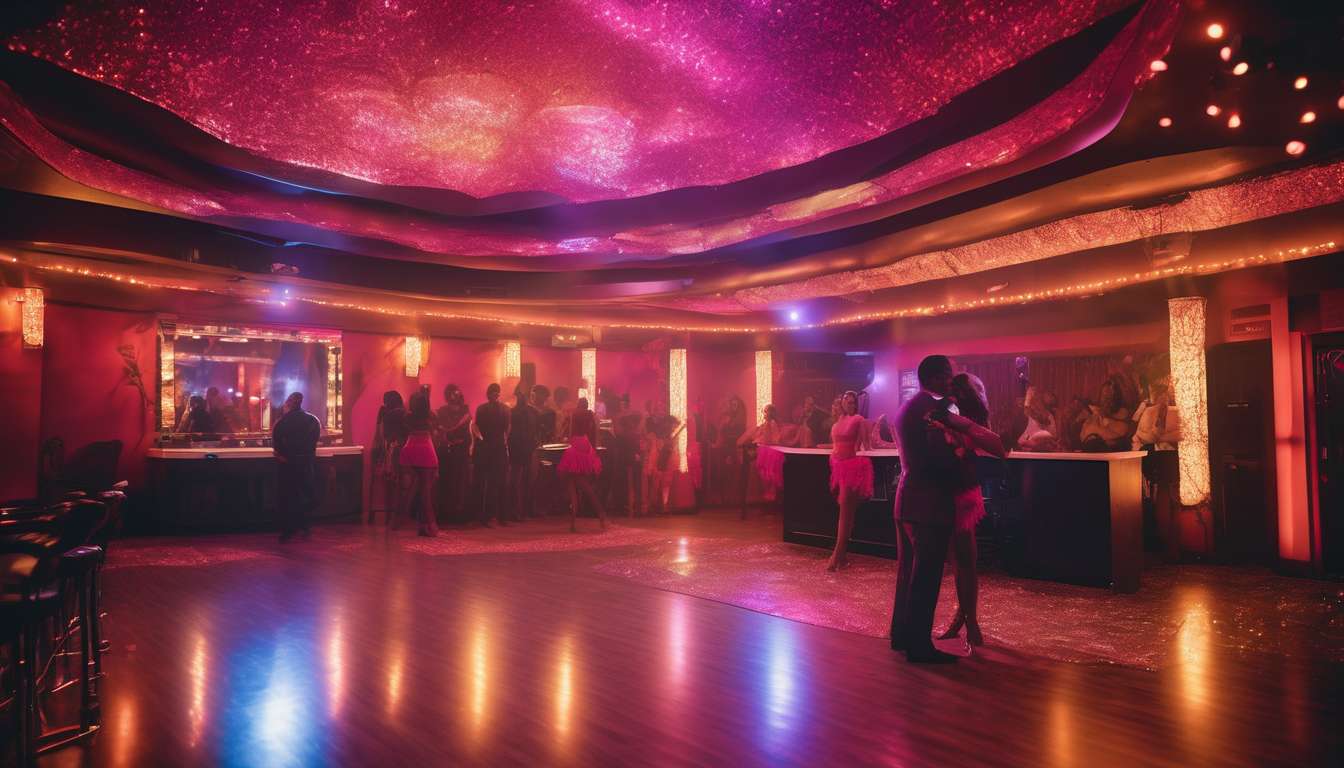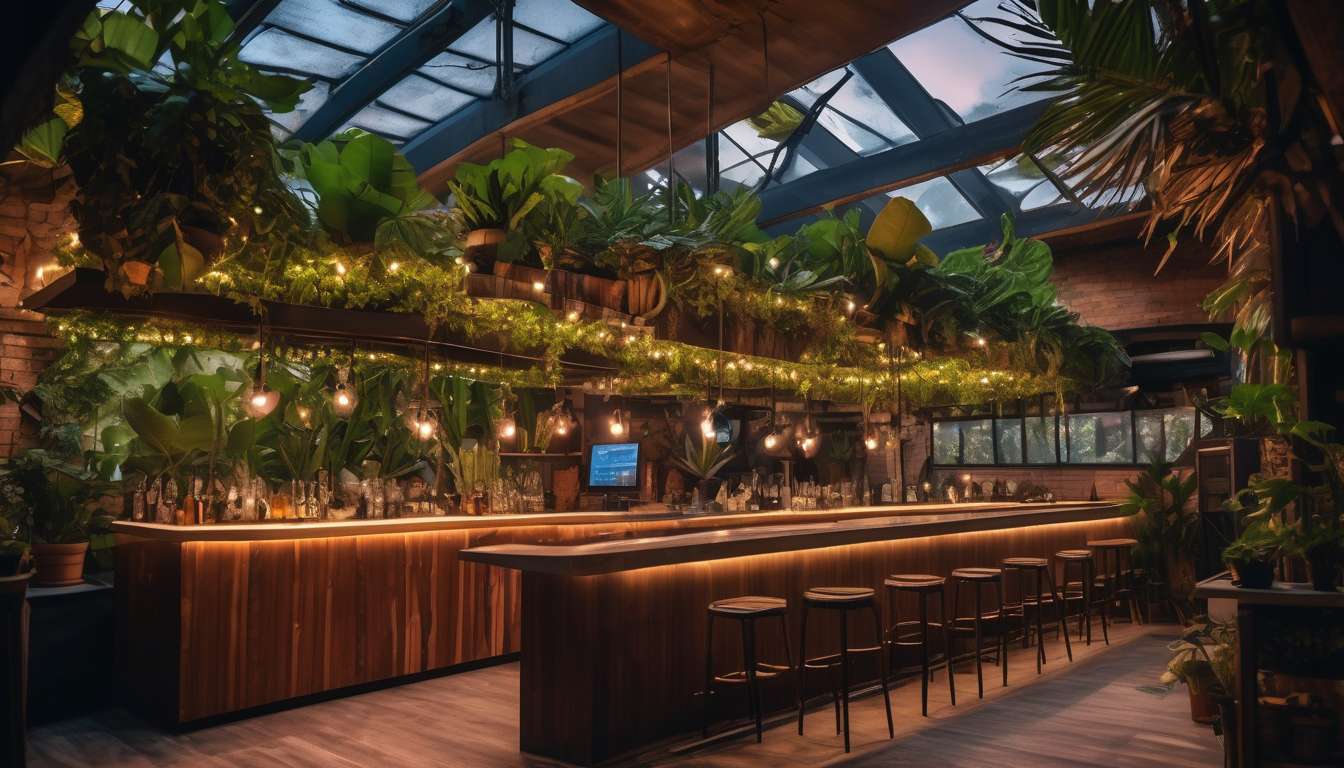
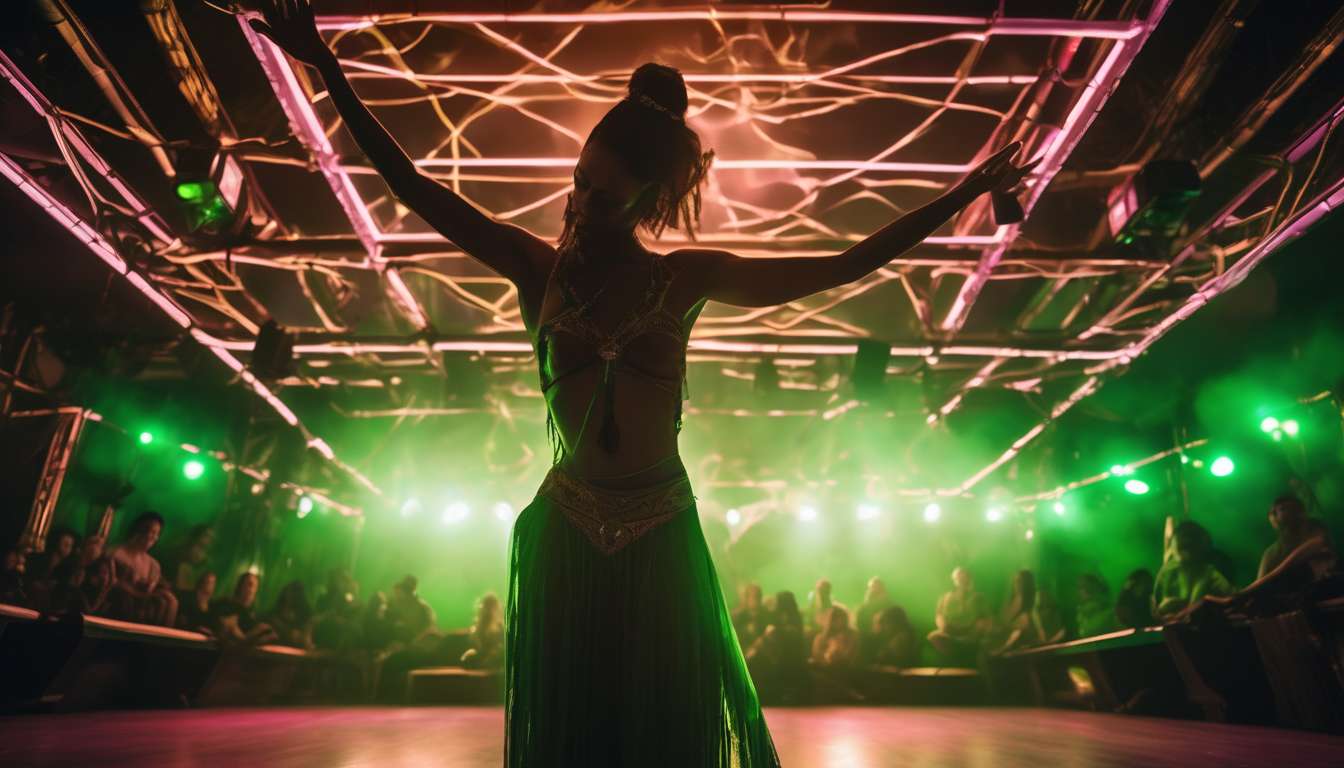
Heat and lighting drive high operating costs and carbon footprints in exotic dancing venues. These spaces require vivid LEDs, powerful sound systems, and robust HVAC to create atmosphere, and those necessities lead to disproportionately large energy bills. Seasonal spikes and late-night hours further compound consumption.
Challenge: balance performer comfort, safety standards, and customer experience while controlling expenses. Managers must reconcile stage effects and thermal comfort with regulatory requirements and the need to preserve ambiance.
Approach: treat sustainability as an operational priority and a creative constraint. This perspective opens opportunities to reduce costs and emissions without compromising atmosphere.
Practical strategies to lower costs and emissions:
-
Technology upgrades.
- Replace incandescent/halogen with high-quality LED stage and ambient lighting.
- Upgrade to energy-efficient sound and AV equipment with smart power management.
- Install variable-speed HVAC systems and zoned climate control for stage vs. audience areas.
- Add smart lighting controls, dimmers, and automated schedules.
-
Behavioral adjustments.
- Train staff and performers on turning off or dimming nonessential lights and equipment between shows.
- Use pre-programmed lighting scenes tailored to different parts of the night to reduce peak use.
- Encourage wardrobe and makeup decisions that work with lower light levels when appropriate.
-
Schedule and operations optimization.
- Stagger performance times to allow HVAC and ventilation recovery between shows.
- Use occupancy sensors to reduce lighting and HVAC in low-use back-of-house areas.
- Plan high-energy effects for shorter segments rather than continuous use.
-
Funding and incentives.
- Pursue utility rebates, tax credits, and local grants for energy-efficient upgrades.
- Work with energy auditors to prioritize measures with the fastest payback.
- Consider on-site renewable options (solar panels) where feasible to hedge electricity costs.
Benefits: reduced costs, lower emissions, and preserved atmosphere. With careful planning and collaboration between managers, performers, and technicians, venues can maintain the immersive experience customers expect while cutting operating expenses and shrinking carbon footprints.
Next steps to implement change:
- Conduct an energy audit to identify highest-impact upgrades.
- Prioritize low-cost/no-cost behavioral and control changes for quick savings.
- Seek financing or incentives for capital improvements like LED retrofits and HVAC upgrades.
- Monitor energy use post-implementation and iterate on schedules and scenes.
By integrating these measures, exotic entertainment venues can become models of responsible nightlife that protect livelihoods and the planet.
Energy challenges overview
We face high and variable energy demands in exotic dancing venues due to lighting, sound systems, HVAC, and extended operating hours.
These pressures affect our bottom line and our sense of stewardship, so we band together to address them.
We prioritize energy efficiency because it reduces costs and reinforces that we care for the venue and each other.
We assess peak loads and identify where power spikes occur, then target interventions that give the best return.
When considering interventions:
- Lighting upgrades — where they cut consumption without sacrificing atmosphere.
- HVAC optimization — zoning, scheduling, and maintenance to keep performers and patrons comfortable while trimming waste.
We track consumption, share data openly with staff, and pilot changes in one area before scaling up.
By taking clear, collective steps rooted in measured results, we:
- Protect livelihoods.
- Create a welcoming space.
- Build a culture that values sustainability and fiscal responsibility.
Lighting efficiency upgrades
We will replace high-wattage fixtures with targeted LED solutions and smart controls to cut consumption while keeping the club’s atmosphere intact.
Choose fixtures with tunable color temperature and dimming curves that preserve performance lighting without waste. These options maintain the venue’s vibe while reducing energy use.
Lighting upgrades provide immediate, measurable benefits:
- Lower electricity consumption
- Reduced maintenance demands
- Faster payback and visible savings that help stakeholders feel invested in the club’s future
Pair LEDs with occupancy sensors and zoning controls so back rooms and rest areas aren’t lit unnecessarily.
Schedule scenes for peak and off-peak hours to match traffic patterns and reduce demand charges.
Coordinate lighting plans with HVAC optimization. Lower heat load from efficient lamps reduces cooling demand, improving overall system performance.
Involve staff and performers in fixture selection and share projected savings to build buy-in and ensure upgrades support both atmosphere and sustainability.
Sound and AV savings
Goal: cut AV power use and costs by right-sizing speaker systems, choosing efficient amplifiers and processors, and using intelligent scheduling and standby modes to match performance needs.
Actions: audit and right-size equipment
- Audit existing gear to identify oversized speakers and inefficient amplifiers.
- Replace oversized speakers with models matched to room size and SPL requirements.
- Favor Class D amplifiers and DSPs that deliver clear sound with lower power draw.
Networked control and scheduling
- Standardize on networked control systems to allow remote monitoring and shutdown of zones.
- Use intelligent scheduling and auto-off timers to power down unused areas.
- Align scheduling with peak occupancy to reduce background music and idle power during slow hours.
Staff training and shared responsibility
- Train performers and staff on source selection, proper gain structure, and volume zoning.
- Empower staff to use control systems to enforce auto-off and zone shutdowns.
- Include regulars in communication so community understands and supports energy-saving practices.
Integrate with other efficiency projects
- Pair AV upgrades with lighting retrofits and coordinated control systems to avoid redundant power use.
- Coordinate with HVAC optimization strategies to maximize building-wide energy savings.
Outcome
- Practical policies, simple technology, and shared responsibility will reduce wasted consumption, simplify maintenance, and build community support for ongoing energy-efficiency efforts.
HVAC and ventilation strategies
Goal: Focus HVAC and ventilation upgrades to cut operating costs and improve comfort by matching ventilation rates, distribution, and control strategies to actual occupancy and performance demands.
Key outcomes
- Reduced operating costs through smarter airflow and equipment sequencing.
- Improved comfort and indoor air quality (IAQ) during peak shows.
- Energy efficiency gains from coordinated upgrades and maintenance.
Planned measures
-
Assess system sizing and ductwork
- Inspect existing HVAC capacity and distribution.
- Seal ducts and repair leaks to eliminate delivery losses.
-
Add variable-air-volume (VAV) controls
- Install VAV boxes or variable-speed fans so airflow matches real-time needs instead of running full blast.
- Tune to performance schedules and occupancy patterns.
-
Integrate demand-controlled ventilation (DCV)
- Use CO2 or occupancy sensors to modulate outdoor air intake.
- Prioritize IAQ when spaces are full and reduce ventilation during low-occupancy periods.
-
Optimize controls and sequencing
- Tie HVAC optimization into the existing Building Management System (BMS).
- Sequence equipment to avoid simultaneous heating and cooling.
-
Coordinate with other upgrades
- Sync HVAC work with lighting upgrades and envelope improvements so gains compound rather than conflict.
- Consider insulation, air sealing, and window/door fixes when planning ventilation changes.
-
Select efficient hardware
- Choose efficient fans, variable-speed drives, and heat recovery where feasible.
- Size equipment for actual loads, not worst-case or outdated assumptions.
-
Establish maintenance practices
- Maintain schedules that keep coils, filters, and sensors operating at peak performance.
- Monitor system performance and recalibrate controls periodically.
Shared responsibilities and benefits
- Shared implementation: Stakeholders collaborate on design, installation, and commissioning.
- Shared benefits
- Lower utility bills.
- Steadier comfort for performers and patrons.
- Improved IAQ and safety.
- Stronger community stewardship from a venue that does more with less.
If you’d like, I can produce a phased implementation plan (cost estimates, priority sequence, and expected savings) or a checklist for assessment and commissioning. Which would you prefer?
Behavioral energy measures
Goal: simple, practical behavior changes staff and performers can adopt to cut utility use and improve comfort without major equipment work.
Seal doors when possible and avoid propping entrances open.
- This prevents conditioned air loss and reduces HVAC load.
- Make it a habit to check doors after deliveries and during shift changes.
Close curtains at the end of the night to trap heat or cool air.
- Closing curtains/windows helps retain conditioned air in winter and block heat in summer.
- Assign this as a closing duty so it happens consistently.
Turn off nonessential lights in back rooms and use task lighting.
- Use focused lamps for work areas instead of lighting entire rooms.
- This complements any lighting upgrades and requires no technical skill.
Conduct quick daily checks to keep HVAC working well.
- Confirm thermostats are set to the agreed ranges.
- Call out anomalies immediately so HVAC optimization stays effective.
Encourage reporting of small issues.
- Have staff report drafts, blocked vents, or malfunctioning sensors.
- Small repairs or adjustments often add up to big savings.
Train performers to use staging zones and power down personal electronics.
- Use localized controls for stage areas to avoid conditioning unused space.
- Power down lights, amps, laptops, and chargers when not actively in use.
Benefits of adopting these behaviors together.
- Cuts utility bills.
- Extends equipment life.
- Creates a cooperative workplace where sustainability is part of our shared identity.
Scheduling and operations tweaks
We can shift operating hours, stagger staffing, and batch high-energy tasks to lower peak loads and cut utility costs without major investments.
Together we’ll map peak utility rates and front-load or delay equipment-heavy activities so we avoid expensive demand windows.
We’ll coordinate shifts so back-of-house tasks run when the club is quieter, reducing simultaneous HVAC and lighting loads.
Small operational rules help our shared bottom line and create pride in stewardship:
- Turning off unneeded zones
- Running laundry during off-peak
- Consolidating stage changes
We’ll tie scheduling to tangible goals:
- Fewer simultaneous light cues.
- Planned pauses to allow HVAC recovery.
- Prioritized maintenance after closed hours.
Pairing these tweaks with targeted energy efficiency measures amplifies savings without major capital outlays:
- Timed controls
- Sensor zoning
Our team wins when we share results, celebrate improvements, and keep tweaking schedules collaboratively.
That sense of belonging makes sustainability part of our night rather than an extra chore.
Funding and incentives
We will pursue all available grants, rebates, and tax incentives to offset upfront costs and speed payback for sustainability measures.
We will map federal, state, and local programs that support energy efficiency projects and identify incentives specific to commercial entertainment venues so our team and peers can benefit.
We will prioritize funding that covers lighting upgrades and HVAC optimization because those interventions cut consumption fastest and improve comfort for employees and patrons alike.
We will pool resources with nearby venues or a trade association to qualify for larger grants and negotiate group discounts from contractors, fostering a community approach that keeps smaller operators included.
We will explore utility rebates, tax credits, and low-interest financing:
- Utility rebates for energy-efficient equipment
- Tax credits for capital investments
- Low-interest loans targeted at small businesses
We will document expected savings and simple payback timelines to make clear choices and keep everyone informed.
By combining available incentives with shared purchasing power, we will lower barriers to sustainable upgrades and strengthen our collective resilience.
Monitoring and continuous improvement
Monitoring, verification, and iteration will be installed so we can quickly spot issues, verify savings, and iterate on improvements.
We’ll set up real-time meters and dashboards that show energy efficiency trends across shifts and areas, so everyone from managers to performers feels included in stewardship.
We’ll compare usage before and after upgrades (lighting, HVAC optimization) to confirm expected returns and uncover unexpected opportunities.
Regular review meetings will be scheduled where staff can share observations and suggest tweaks; their input helps prioritize fixes that matter day-to-day.
We will establish simple targets, for example:
- kWh per operating hour.
- Peak demand.
- Number of comfort-related complaints.
When anomalies appear, we will diagnose causes (control settings, equipment faults, behavior patterns), then test adjustments and track outcomes.
We will document lessons learned and update key systems, including:
- Maintenance plans.
- Procurement specifications.
- Staff training materials.
By monitoring, involving the whole team, and iterating, we keep costs down, spaces welcoming, and our community proud of sustainable progress.
How can venue owners balance energy-saving renovations with preserving the aesthetic and atmosphere that patrons expect?
We’re asking how venue owners can balance upgrades with preserving the vibe patrons expect.
Collaborate with designers who respect the existing aesthetic.
- Work with designers who prioritize the venue’s character and can propose changes that feel like natural extensions of what already exists.
Swap to efficient lighting that mimics warmth and color.
- Choose LED and tunable lighting systems that reproduce the warm tones patrons associate with the space while lowering energy use and maintenance.
Upgrade insulation and HVAC quietly.
- Improve thermal performance and air quality with unobtrusive insulation, sound-dampening, and HVAC systems that maintain comfort without changing acoustics or introducing visible equipment.
Choose sustainable finishes that feel familiar.
- Select eco-friendly materials and finishes that match the venue’s existing textures, colors, and wear patterns so sustainability doesn’t read as a stark redesign.
Involve staff and regulars in choices.
- Solicit feedback and preferences from staff and long-time patrons early in the planning process to identify non-negotiable elements of the venue’s vibe.
Pilot changes in one area.
- Test upgrades in a limited zone (a bar, a lounge, or a restroom) before wider rollout to gauge reactions and fine-tune details.
Celebrate improvements so everyone feels included in the venue’s evolution.
- Communicate changes, host a reveal or soft-opening, and acknowledge contributions from staff and patrons to reinforce continuity and shared ownership.
What specific safety concerns arise when implementing energy-efficient lighting or HVAC changes in a venue with stage performances?
Key safety concerns when swapping lighting or HVAC around stages
Glare, flicker, and color shifts
- These can disorient performers and patrons, causing distraction or loss of balance.
- Flicker may trigger photosensitive epilepsy in susceptible individuals.
- Color shifts can affect sightlines and cue recognition for performers and crew.
Uneven lighting
- Creates hidden hazards (tripping, missteps on steps, edges, or props).
- Ensure consistent illumination of stage edges, stairs, and pathways.
Mounting, heat, and wiring
- Poor mounting or overloaded fixtures increase the risk of falls and dropped equipment.
- High-heat sources can ignite rigging, drapes, or finish materials if not properly managed.
- Faulty or exposed wiring raises the risk of electrical fires and shocks.
Ventilation changes
- HVAC adjustments can spread smoke, dust, or contaminants, affecting visibility and air quality.
- Airflows may disrupt fog, haze, or flame effects, altering intended sightlines or creating safety hazards.
Coordination, testing, and training
- Coordinate changes with production, rigging, and safety teams to avoid unintended effects.
- Test new lighting and HVAC configurations under realistic performance conditions.
- Train staff on new systems, emergency procedures, and any changes to cueing or access.
Practical mitigations
- Use anti-glare fixtures, high-quality dimmers, and approved LEDs to reduce flicker.
- Design lighting plots to ensure even coverage and mark hazard zones visibly.
- Follow mounting standards, maintain clearance from combustible materials, and inspect wiring per code.
- Model airflow changes and test with smoke/fog to verify effects on visibility and pyrotechnic safety.
- Document changes and update safety plans and training accordingly.
Are there unique maintenance requirements for energy-saving equipment (LEDs, variable-speed drives, smart controls) in environments with high humidity, smoke machines, or aerial rigging?
Current concern: Unique maintenance is required for LEDs, drivers, and smart controls in humid, smoky, or rigged spaces.
Planned actions:
- Schedule more frequent inspections.
- Use sealed or IP-rated fixtures.
- Apply corrosion-resistant coatings.
Cleaning and ventilation:
- Clean smoke residues.
- Replace filters.
- Verify ventilation.
Mechanical and firmware safeguards:
- Secure cables away from aerial gear.
- Tighten mounts.
- Keep firmware updated.
Accountability and documentation:
- Document routines so everyone feels responsible and supported.
Conclusion
You can cut energy costs and boost sustainability in your exotic dancing venue without sacrificing atmosphere or patron comfort.
Upgrade lighting and AV
- Replace incandescent and halogen bulbs with energy-efficient LEDs and tunable-white fixtures to preserve mood lighting while lowering wattage.
- Use dimmers, zoned controls, and motion/occupancy sensors so lights are on only where and when needed.
- Upgrade AV equipment to energy-efficient models and implement power-management settings to reduce standby consumption.
Optimize HVAC and ventilation
- Maintain and tune HVAC systems (filters, coils, refrigerant charge) for peak efficiency.
- Use programmable thermostats and zone controls to avoid overconditioning unused areas.
- Improve ventilation controls and balance fresh-air needs with energy recovery (ERV/HRV) where appropriate.
Adopt behavior-based measures and smarter scheduling
- Train staff on energy-wise practices (turn off lights/AV in unused areas, close doors, manage blinds).
- Schedule high-energy equipment and cleaning during off-peak hours when possible.
- Use occupancy-based rules for operating systems (bar, dressing rooms, lounges).
Use available incentives and monitor performance
- Pursue local utility rebates, tax incentives, and small business energy programs for upgrades.
- Install submeters or use building-management software to monitor energy use and identify savings opportunities.
- Track performance and adjust measures over time to sustain gains.
Small operational tweaks add up
- With ongoing measurement and staff engagement, your venue can stay vibrant, efficient, and more profitable over time.