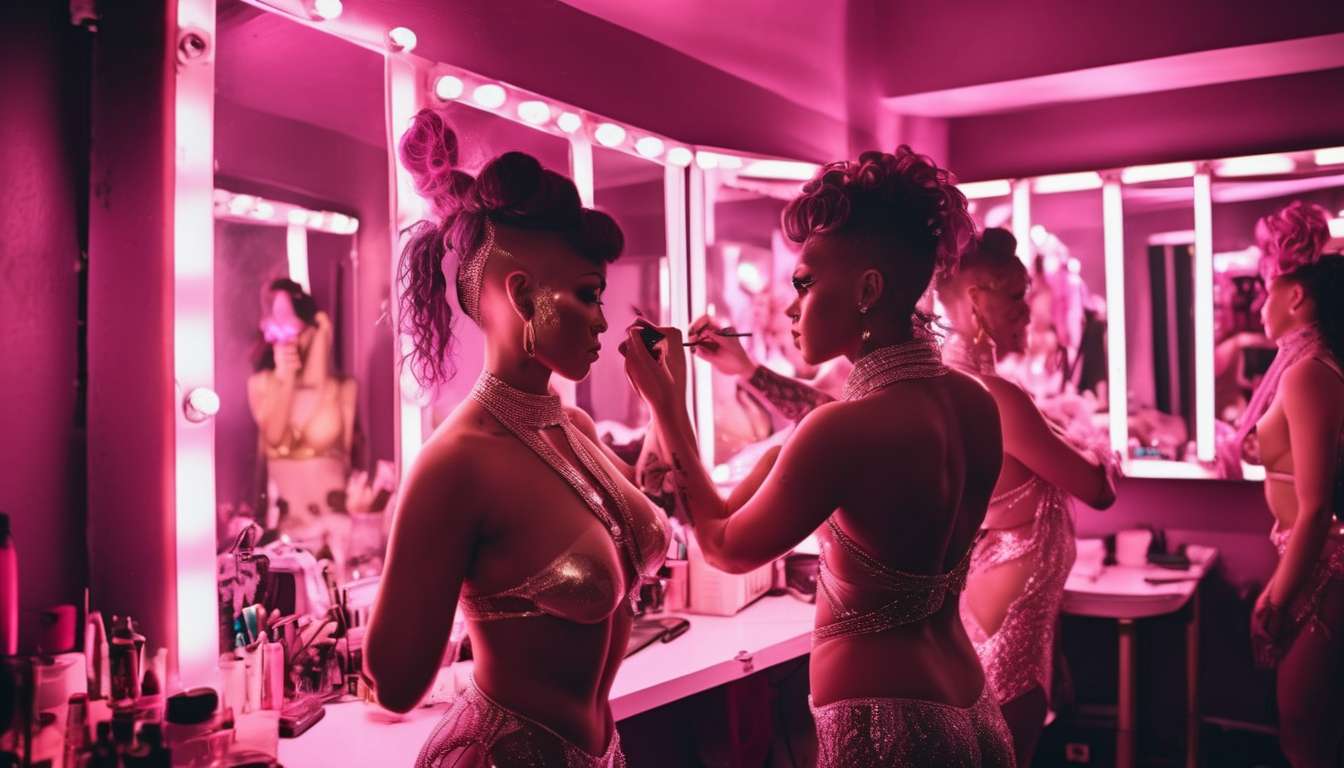

Not all exotic dancers want the same things. Safety, steady income, respect, and career longevity are often assumed to be mutually exclusive—but we know better.
The myth that dancers must choose between artistry and security harms careers and normalizes exploitation. As performers, advocates, and industry workers, we see how that narrative creates unnecessary trade-offs: it suggests flexibility requires vulnerability and that club profitability must come at a performer’s expense.
We reject those trade-offs and argue for models that combine creative expression with enforceable protections. Key elements include:
- Clear contracts that define roles, schedules, and compensation.
- Accessible health care and mental-health supports.
- Fair tip policies and transparent revenue-sharing.
- Pathways for advancement and professional development.
Small policy shifts and workplace norms can produce sustainable livelihoods without erasing autonomy. Drawing on our collective experiences inside clubs, in advocacy groups, and at policymaking tables, we trace practical examples where modest changes produced measurable improvements.
This article examines misconceptions, spotlights successful reforms, and offers practical steps. Intended audiences include clubs, policymakers, and performers; the goal is to build safer, more sustainable dancing careers through realistic, enforceable measures.
Industry Misconceptions
We often hear sweeping claims about exotic dancing that ignore performers’ agency, diversity of motivations, and the real economic and safety challenges they face.
Those claims fracture solidarity and obscure practical needs.
When we talk plainly, we center performer rights as fundamental:
- Autonomy
- Consent
- Workplace protections
These rights aren’t optional.
We also recognize harm reduction as a pragmatic framework.
- Safety protocols (e.g., venue design, security practices)
- Transparent incident reporting and follow-up
- Access to health resources and counseling
Harm reduction keeps people safer without moralizing their choices.
Economic realities matter too.
- Push for living wages and predictable pay structures
- Reduce exploitation and enable career planning
We want industry conversations that welcome diverse experiences and prioritize concrete reforms over stereotypes.
By insisting on policy changes, peer-led support, and community accountability, we build workplaces where people feel seen and supported.
Together, we can shift the narrative from stigmatizing myths to actionable steps that uphold dignity, safety, and sustainable livelihoods for everyone working in this field.
Contract Essentials
Every contract should clearly spell out pay structure, shift expectations, safety protocols, and dispute-resolution steps so workers know exactly what to expect and how to hold employers accountable.
We insist on clear definitions of fees, tips, and deductions so performer rights aren’t vague or negotiable after the fact.
We outline schedules, call-in procedures, and break policies so everyone can coordinate life and work without surprise penalties.
We include explicit safety measures — security staffing, lighting, and reporting channels — and commit to harm reduction practices that reduce risk on shift.
We require mechanisms for addressing violations, from written warnings to impartial arbitration, so disputes don’t become power imbalances.
We tie compensation to living wages or clear escalation triggers, and we document how wage reviews happen.
We make contracts community tools: they create shared standards, strengthen collective bargaining, and signal mutual respect.
When written plainly and enforced consistently, contracts protect our livelihoods, uphold performer rights, and build a workplace where we all belong and can thrive.
Health and Wellbeing
Our wellbeing depends on proactive policies, accessible healthcare, mental-health supports, and workplace practices that reduce physical and emotional strain.
We need clear protocols that center performer rights so everyone feels safe to report concerns without fear.
- Regular access to sexual-health services
- Confidential counseling
- Injury-prevention training tailored to our unique physical demands
We also want workplace norms that normalize breaks, stretch routines, and ergonomic staging to limit chronic pain.
We embrace harm-reduction approaches that recognize reality over idealism.
- Safe transport options
- De-escalation training
- Agreed boundaries with patrons
Peer-led support networks and onsite advocates help us intervene early and sustain careers.
Community-led education about consent and respectful interaction reinforces belonging and mutual care.
When health services are accessible and policies affirm performer rights, we can focus on wellbeing rather than crisis management.
Prioritizing collective safety, prevention, and dignity strengthens our careers and ensures we belong to workplaces that respect our bodies, minds, and choices.
Fair Compensation Models
We need transparent, predictable pay structures that let us plan our lives and build long-term careers.
We want fair compensation models that center performer rights and recognize the value of our labor, not just tips or opaque house fees.
- Standardize base pay.
- Provide clear breakdowns of revenue splits.
- Require written agreements so expectations are shared and enforceable.
When pay is reliable, we can pursue training, healthcare, and savings — all essential to sustainable careers and community wellbeing.
We support harm reduction approaches to compensation:
- Flexible scheduling.
- Access to emergency funds.
- Systems that reduce financial precarity which can force risky choices.
Living wages should be the baseline, not an aspiration, and venues should be accountable to that standard
- Achieve accountability through collective bargaining or transparent policy.
- Monitor and enforce compliance so standards are meaningful.
Together, we build compensation practices that affirm our dignity, strengthen solidarity, and ensure every performer can stay in this work on their own terms.
Safety Protocols
We insist on clear, enforced safety protocols—covering venue security, incident reporting, and de-escalation training—so everyone can work without fear.
We create consistent check-in systems, trained security staff, and anonymous reporting channels that respect performer rights and confidentiality.
We expect management to back written procedures with immediate action, so incidents don’t fall through the cracks.
We prioritize harm reduction by supplying safe spaces, access to medical and mental health resources, and clear boundaries with clients.
We train performers and staff in de-escalation tactics, consent communication, and emergency response, reinforcing that safety is a shared responsibility.
We advocate for contracts that codify safety measures alongside living wages, because financial stability and protection go hand in hand.
We build peer support networks for rapid assistance and post-incident care, ensuring no one faces trauma alone.
We review protocols routinely with performers to adapt to evolving risks.
We insist that venues fund and enforce these standards so everyone feels respected, protected, and part of a dependable community.
Career Development
We’ll support long-term careers by offering clear pathways for skill development, financial planning, and transition options so dancers can build sustainable, flexible futures.
We’ll create mentorship programs, continuing education, and credentialing that recognize on-floor expertise and transferable skills.
We’ll teach budgeting, retirement savings, tax literacy, and strategies to stabilize income so living wages become an achievable baseline, not a goalpost.
We’ll center performer rights in every curriculum, ensuring people understand contracts, consent, dispute resolution, and collective organizing.
We’ll promote harm reduction practices that protect physical and mental health, normalize seeking care, and reduce stigma around career changes.
We’ll build peer networks and alumni supports to ease transitions into teaching, choreography, management, or other fields.
We’ll measure outcomes—retention, income stability, wellbeing—and iterate programs based on participant feedback.
We’ll create inclusive spaces where everyone feels they belong, can plan realistically, and can leave or shift roles without penalty.
We’ll fund these initiatives sustainably so career development is a right, not a privilege.
Policy and Regulation
We’ll advocate for clear, enforceable policies and fair regulations that protect dancers’ safety, labor rights, and ability to organize while reducing arbitrary criminalization and venue-level exploitation.
We push for laws recognizing performer rights as labor rights, ensuring:
- access to written contracts,
- predictable scheduling,
- the right to collective bargaining without stigma.
We want licensing and zoning to be transparent, proportional, and free from discriminatory enforcement that pushes people into unsafe situations.
We support harm reduction measures, including:
- on-site security standards,
- anonymous reporting channels,
- access to health services that respect privacy and dignity.
Regulations should require trauma-informed training for staff and managers, and mechanisms to enforce accountability without criminalizing consensual work.
Economic protections matter: minimum standards should include:
- living wages,
- tip protections,
- clear dispute-resolution processes so no one bears insecurity alone.
We champion policy-making that includes dancers’ voices at the table, because sustainable careers grow from rules designed with us, not imposed on us.
Community Accountability
We will build community accountability systems that let dancers, staff, and venues hold each other responsible for safety, respect, and fair practices without relying on punitive criminal‑justice responses.
We will create clear, accessible reporting pathways managed by peers and trusted allies so concerns about harassment, wage theft, or unsafe conditions get timely, trauma‑informed responses.
We will center performer rights in every protocol.
- Ensure confidentiality and informed choice.
- Prioritize community‑led mediation and restorative options before escalation.
We will invest in training that blends harm reduction with de‑escalation, bystander intervention, and restorative practices so people can repair harm and restore trust.
We will push for contracts and workplace norms that guarantee living wages, transparent fee structures, and predictable schedules to reduce the precarity that fuels conflict.
We will keep meeting spaces and communication channels open so feedback loops stay active and responsive.
We will build mutual aid funds and referral networks to support those affected by harm.
By grounding accountability in belonging, solidarity, and concrete supports, we will make venues safer, more sustainable places to work and grow.
How can performers discreetly document incidents of harassment or misconduct without jeopardizing their privacy or employment?
How to discreetly document harassment or misconduct without risking privacy or jobs
Keep secure, timestamped records.
- Use encrypted notes and files to record incidents.
- Save timestamped files (e.g., PDFs or text files with metadata) to show when entries were made.
- Store copies offsite (encrypted cloud backup or external drive kept in a secure location).
Use separate contact channels.
- Create a secondary email account and, if needed, a burner phone for communications related to incidents.
- Avoid using work accounts or devices for documentation or contact.
Record details promptly and safely.
- Quietly record detailed notes immediately after an incident while the memory is fresh.
- Include date, time, location, exact words/actions, and context.
- Check local laws before making audio or video recordings; in some places you must have consent.
Collect corroboration without exposing others.
- Gather witness names and short statements when safe to do so.
- Take safe screenshots of messages or digital evidence, removing or obscuring unrelated personal information if possible.
Plan and support each other.
- Share vetted resources (legal aid, employee assistance, advocacy groups) among trusted peers.
- Coordinate safe reporting steps together if multiple people are affected, and agree on who will report and how.
Prioritize safety and privacy.
- Avoid publicizing details on social media or using identifiable work devices.
- If concerned about retaliation, seek confidential advice from legal counsel, union reps, or external hotlines before taking formal steps.
What steps can dancers take to access retirement savings or investment advice tailored to irregular income and seasonal work?
Track income, especially irregular and seasonal earnings.
Keep detailed records of all pay: contracts, performance fees, teaching income, and any royalties or grants. Use separate accounts or budgeting apps to categorize income by source and month so you can see true cash flow across seasons.
Build an emergency fund sized for seasonal gaps.
Aim for 3–12 months of living expenses depending on how predictable your work is. Prioritize this fund before long-term investing so you can avoid withdrawing retirement savings during slow periods.
Open a tax-advantaged retirement account if eligible (Solo 401(k) or SEP-IRA).
- Determine eligibility based on self-employment status and earnings.
- Compare contribution limits, flexibility, and administrative requirements between Solo 401(k) and SEP-IRA.
- Open the account through a low-cost broker or custodian that offers small-business retirement plans.
Consult a fee-only financial planner who understands gig and seasonal income.
Choose a planner experienced with artists and independent contractors who can help with tax strategies, retirement-savings choices, and cash-flow planning. Prefer fee-only advisors to avoid commission conflicts.
Set automated contributions and adjust seasonally.
Automate transfers to retirement and savings accounts when income arrives. Increase or decrease contribution amounts based on seasonal cash flow, documenting adjustments so you remain on track annually.
Use conservative, diversified portfolios tailored to your time horizon.
Prioritize low-cost index funds or target-date funds for simplicity. For conservative allocation during uncertain income periods, favor a mix that balances growth with capital preservation.
Review plans annually and after major income changes.
Once a year, and whenever your contract or seasonal pattern changes significantly, reassess contributions, asset allocation, and beneficiaries. Adjust your plan to reflect new goals, income levels, or retirement timelines.
How do immigration status and work visas affect a performer’s ability to benefit from labor protections, and where can they get confidential legal help?
Immigration status and work visas shape access to labor protections.
Key effects:
- Eligibility limitations: Immigration status can limit eligibility for unemployment insurance, workers’ compensation, and other benefits.
- Fear of reporting abuse: Undocumented or precarious-status performers may avoid reporting wage theft, harassment, or unsafe conditions due to fear of immigration consequences.
- Barriers to formal employment: Some statuses effectively bar formal contracts or lawful employment, pushing performers into informal or cash-in-hand work with fewer protections.
- Strengthened protections with valid work visas: Holding a valid work visa (or lawful permanent residency/citizenship) usually strengthens access to labor protections, enables formal contracts, and reduces fear of using legal remedies.
Where to find confidential legal help:
- Immigrant-rights clinics: Often provide confidential consultations and know both immigration and labor law intersections.
- Nonprofit legal aid organizations: Many offer free or low-cost immigration and employment law services; some run hotlines or walk-in clinics.
- Trusted community organizations: Cultural centers, workers’ centers, arts unions, and immigrant-led groups can make referrals and sometimes host legal clinics.
- Specialized attorneys: Lawyers who specialize in immigration and employment law may offer pro bono work, sliding-scale fees, or limited-scope representation.
- Confidential hotlines and helplines: National and local helplines can provide immediate, anonymous guidance and referrals.
Practical steps to take:
- Document everything: dates, payments, messages, contracts, photos, and witness names.
- Seek a confidential intake: ask about privacy, reporting obligations, and whether information could affect immigration status.
- Ask about combined expertise: find providers who understand both immigration and labor law or coordinate between specialists.
- Explore remedies: wage recovery, workers’ compensation, anti-discrimination claims, and, if eligible, immigration remedies tied to reporting abuse (e.g., U or T visas in applicable jurisdictions).
- Consider union or guild support: unions often provide legal referrals and may offer protections or advocacy.
If you’d like, I can:
- Help locate local immigrant-rights clinics, nonprofits, or attorneys in a specific city or region.
- Draft a short intake checklist to bring to a legal consultation.
Conclusion
You’ve learned how to challenge industry misconceptions and insist on clear contracts that protect your rights.
Prioritize health, safety, and fair pay while pushing for transparent compensation models and robust safety protocols.
Invest in career development, savings, and exit planning so you’re prepared for change.
Advocate for sensible policy and regulation, and hold establishments and peers accountable through community organizing.
Doing so helps create sustainable, dignified careers in exotic dancing for you and others.