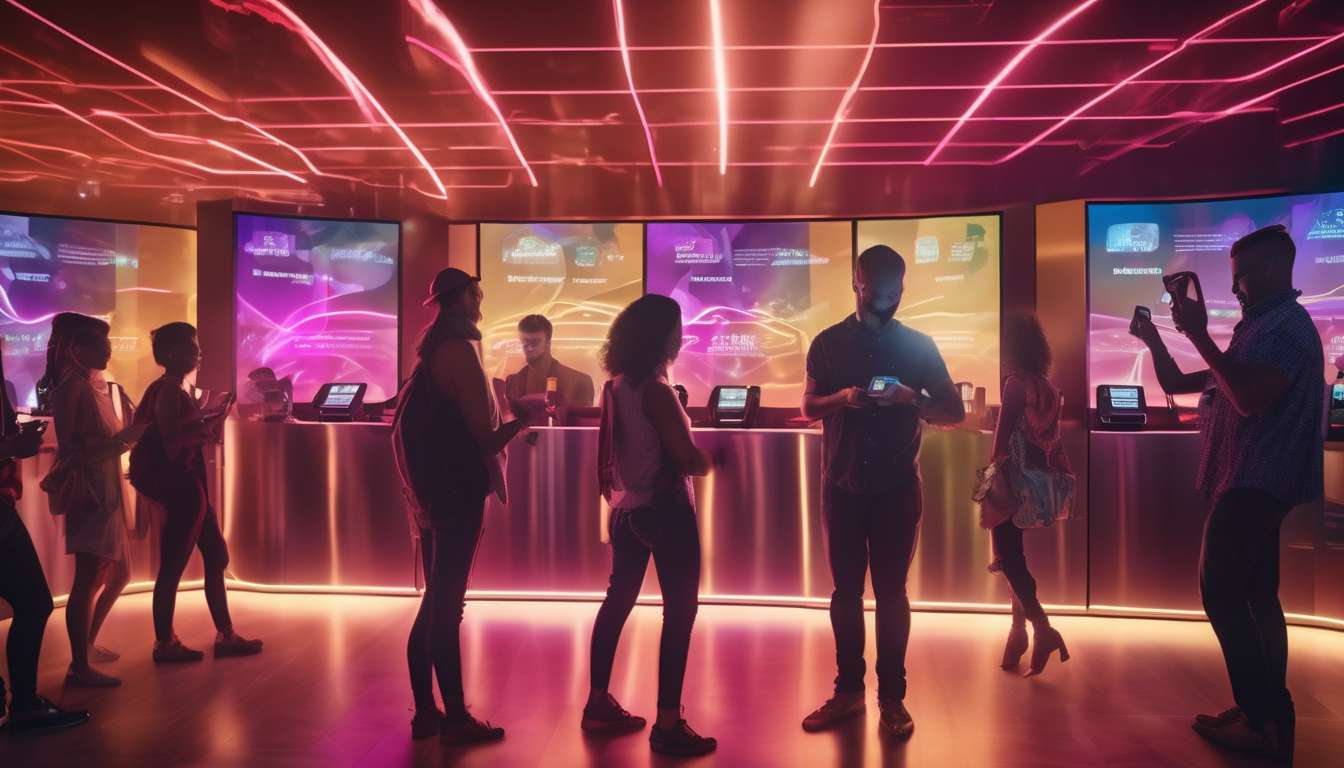

Knowledge of shifting commute patterns during the pandemic has reshaped how we think about where adults gather to dance.
As remote work, micro-mobility, and expanded night bus routes alter urban movement, we are re-evaluating venue placement, accessibility, and the social rhythms that animate nightlife.
We ask how altered peak travel times, the rise of weekend daytime socializing, and equity-focused transit investments should influence where dance halls, clubs, and community studios locate.
This includes reconsidering when and where people travel, and how those changes affect attendance patterns and neighborhood activation.
Together, we examine data on walkability, transit deserts, and ride-share coverage alongside qualitative insights from patrons, venue operators, and transit planners.
- Quantitative inputs: walk scores, transit frequency maps, ride-share heatmaps, bike-lane networks.
- Qualitative inputs: user interviews, operator experience, planner perspectives.
Our goal is to map the intersection of circulation and culture: ensuring venues remain vibrant while reachable for diverse participants.
By centering contemporary transport trends—late-night service extensions, increased bike-lane networks, and fluctuating demand for on‑demand rides—we propose practical siting strategies that prioritize safety, affordability, and social inclusion.
We believe informed planning can keep dance scenes thriving as cities and commutes continue to evolve.
Context and Trends
We’re situating dance venue planning within current urban transport patterns and emerging mobility trends.
We prioritize sites near frequent routes and multimodal hubs because transit accessibility shapes who can join us on the dance floor. This helps increase attendance and diversity by making venues reachable by train, bus, bike, and shared mobility.
We’re attentive to nighttime mobility.
- Map late trains, buses, and shared-ride availability.
- Identify safe walking routes and well-lit transit connections.
- Factor in last-mile solutions (bike-share, scooter, rideshare pick-up points).
We map connections that keep everyone safe getting home and aim to reduce barriers created by long waits or expensive last-mile trips.
We factor in affordable travel options and wait-time reductions to help venues feel like places where everyone belongs.
- Consider transit fares, transfer policies, and time-of-night service levels.
- Prioritize sites that minimize total door-to-door cost and travel time for typical attendees.
We’re centering equity in our decisions.
- Measure service gaps using clear transit metrics (frequency, travel time, transfers).
- Consult neighbors and stakeholders to gather lived-experience input.
- Choose locations that expand opportunities for underrepresented dancers.
We’re pragmatic about trade-offs—balancing rent, access, and community needs—to create sustainable spaces.
Together, we’ll use clear transit metrics and lived-experience input to guide site selection, ensuring our dance venues are reachable, welcoming, and responsive to the rhythms of city life.
Commuting Pattern Shifts
Many commuters now work flexible hours or hybrid schedules.
We need to factor shifting peak times and travel patterns into how we site and schedule dance events. We see colleagues arriving and leaving at varied hours, and we want our spaces to feel welcoming whenever people travel. That means planning around changing transit accessibility during off-peak and late-evening periods, coordinating with services that support nighttime mobility, and choosing locations where buses, trains, and shared rides reliably connect.
Consider neighborhood needs and safety.
Members who rely on public transit or who avoid long walks at night should feel safe and included. We’ll stagger start times, offer clear guidance on travel options, and advocate for consistent service later into the evening.
Center equity in scheduling and site selection.
By centering equity in our choices, we ensure diverse attendees can join without extra burden. Together we can build event schedules and site plans that reflect contemporary commuting rhythms and create a stronger, more accessible dance community.
Transit Accessibility Mapping
We will map transit routes, service hours, and walking distances around potential venues to identify where dancers can reliably get to and from events.
We will overlay bus, tram, and rail lines with schedule frequency to assess transit accessibility during evening and late-night hours, and note service gaps that limit who can join the community.
We will measure realistic walking catchments, lighting, and perceived safety so paths to venues feel welcoming for everyone.
We will segment results by neighborhood demographics to highlight where limited transit compounds participation barriers and to center equity in site selection.
We will produce simple, shareable maps and summaries so organizers and attendees can see practical options and constraints at a glance.
We will flag transfer points and expected wait times to set accurate expectations for arrival and departure.
By grounding site selection in these mapped realities, we will design locations that:
- Strengthen togetherness by improving access.
- Reduce isolation caused by poor connections.
- Ensure more people can belong to the social life we’re creating without guesswork.
Nighttime Mobility Solutions
Goal: Provide practical nighttime mobility solutions so dancers can arrive and leave events safely and affordably.
Prioritize transit accessibility by extending service where demand exists.
- Work with transit agencies to add or extend evening and weekend routes.
- Coordinate schedules to align with event start/end times.
Coordinate reliable late-night shuttles from major transit hubs.
- Schedule shuttles for peak event departure windows.
- Publicize shuttle routes, stops, and timetables in advance.
Designate clear, well-lit rideshare and taxi pick-up zones at venue entrances.
- Mark and sign zones for easy identification.
- Ensure zones are well-lit and sheltered where possible to improve safety and reduce wait times.
Partner with community groups to staff volunteer ambassadors and support shared-ride programs.
- Recruit and train ambassadors to assist with wayfinding and safety.
- Promote carpooling and shared-ride options to reduce costs and increase capacity.
Assess fare policies and offer subsidized passes to promote equity.
- Evaluate current fares and barriers to access.
- Implement subsidized or sliding-scale passes for low-income participants.
Measure outcomes and iterate based on data and rider feedback.
- Track ridership, shuttle usage, and wait times.
- Conduct participant surveys to assess perceived safety, affordability, and convenience.
- Adjust schedules, pickup points, and services based on findings.
Center riders’ needs and invite community input.
- Hold outreach sessions and collect ongoing feedback.
- Use community insights to refine services so nighttime transport is dependable, affordable, and inclusive.
Micro‑mobility and Active Modes
Expand safe, affordable micro-mobility and active travel options to make first- and last-mile connections to dance venues easy and reliable. This includes bikes, e-scooters, and protected walking routes that connect directly to venue entrances and nearby transit stops.
Prioritize safety and comfort by providing well-lit paths, secure parking, and clear wayfinding so people feel welcome arriving and leaving together.
Coordinate with transit to strengthen accessibility and reduce wait times for riders transferring between modes by aligning schedules and hub locations.
Pilot shared-mobility hubs near venue entrances and transit stops, focusing on continuous coverage during peak and nighttime mobility hours.
Engage dancers and staff in design and operations:
- Involve local dancers and venue staff in route design.
- Co-create maintenance plans and safety outreach.
- Use lived experience to foster belonging and practical usability.
Set affordable, inclusive pricing with:
- Membership discounts.
- Pay-what-you-can options.
- Pricing structures that lower barriers without compromising service.
Collect data and iterate by gathering usage data and user feedback to:
- Refine routes and curbside treatments.
- Ensure durable safety and reliability.
- Adapt coverage based on demand patterns.
Outcome: Together, create a practical, connected micro-mobility network that complements public transit and supports inclusive, active travel to and from dance venues.
Equity and Transit Deserts
Many neighborhoods still lack reliable transit, and we must prioritize service, affordable fares, and targeted investments so dancers from transit deserts can reach venues without added time or cost.
We recognize that transit accessibility isn’t evenly distributed, and we commit to designing plans that include those who’ve been sidelined.
That means advocating for routes that connect residential areas with cultural hubs, extending service hours to support nighttime mobility, and pushing for fare policies that won’t price people out of participation.
We’ll work with community groups to map gaps, hear lived experiences, and co-create solutions that respect local needs.
Equity guides our decisions: we’ll track who benefits from changes and adjust when outcomes fall short.
By centering riders who rely on buses, paratransit, and walking, we strengthen neighborhood ties and expand access to social life.
When we insist on inclusive transit networks, we ensure dance venues become welcoming places everyone can reach, feel safe accessing at night, and proudly call their own.
Site Selection Criteria
Prioritization criteria:
We’ll prioritize sites that balance proximity to public transit, safety, affordability, and community needs so venues are reachable, viable, and welcomed by neighbors.
Transit accessibility:
We choose locations with strong transit accessibility—within easy walks of frequent bus and rail lines—to reduce travel barriers and foster regular attendance.
Nighttime mobility and safety:
We assess nighttime mobility, ensuring:
- late-night connections,
- safe well-lit routes,
- nearby rideshare or shuttle options
so everyone can arrive and leave confidently.
Affordability:
We weigh affordability for operators and patrons, aiming to keep prices inclusive without compromising quality.
Community consultation:
We consult with local residents and groups to align programming with neighborhood character and to minimize disruption, reinforcing that the venue belongs to the community.
Data-driven equity:
We use data on ridership, crime patterns, and pedestrian flow to make objective decisions while centering equity:
- prioritize underserved areas,
- serve populations historically excluded from cultural spaces.
Building suitability:
We prefer adaptable buildings that support accessibility, acoustics, and emergency egress.
Decision approach:
By combining measurable criteria with community voice, we select sites that sustain vibrant, safe, and welcoming dance venues for all.
Implementation Strategies
We’ll turn site-selection principles into actionable steps.
- Define timelines, responsibilities, funding sources, and measurable milestones to get venues open, safe, and connected to the communities they serve.
Assemble a collaborative task force.
- Include community representatives, transit planners, venue operators, and safety advocates so decisions reflect lived experience and build belonging.
Map transit accessibility gaps and prioritize sites.
- Focus on locations where improvements yield the greatest community benefit.
Create phased interventions.
- Short-term:
- Pilot shuttle services and extended transit hours to test nighttime mobility solutions.
- Medium-term:
- Implement infrastructure upgrades such as lighting, signage, and wayfinding.
- Long-term:
- Negotiate agreements with transit agencies for sustained service.
Assign clear leads and set milestones.
- Designate responsible parties, set quarterly milestones, and tie funding to performance metrics that include equity outcomes — ridership distribution, wait times, and incident reports.
Establish transparency and feedback loops.
- Hold regular public check-ins, publish progress dashboards, and adapt plans based on community feedback.
Operationalize accountability and center equity.
- Ensure venues are reachable, welcoming, and resilient for everyone by making equity a core performance criterion.
How do zoning laws and licensing requirements specifically affect the ability to operate an adult dance venue in mixed-use urban neighborhoods?
Zoning and licensing determine where businesses can open and what they must comply with.
Zoning rules often:
- Separate land uses (commercial, residential, industrial).
- Require distance buffers from schools, residences, or other sensitive sites.
- Impose limits on hours of operation, signage, and specific operational activities.
Permits and approvals you may need:
- Conditional or special-use permits for uses not allowed by-right.
- Public hearings and neighborhood notification as part of the approval process.
- Licenses specific to the business type (e.g., alcohol, food service, medical).
Health, safety, and operational compliance includes:
- Meeting building, fire, plumbing, electrical, and health-code requirements.
- Adhering to occupancy limits, sanitation, and employee-safety rules.
- Maintaining documentation and inspection records.
Community and legal processes you should prepare for:
- Building relationships with neighbors, local officials, and community groups.
- Being ready for appeals, variances, or imposed additional restrictions.
- Planning for ongoing compliance monitoring and periodic renewals.
To operate confidently, compile required documentation, confirm zoning and permit requirements early, engage stakeholders proactively, and budget time for hearings, inspections, and potential appeals.
What are the typical insurance and liability considerations for an adult dance venue, including coverage for off-site shuttle services or partnered ride-hailing programs?
Overview — Insurance and liability plan for an adult dance venue
Core coverages we will carry:
- General liability to cover premises, bodily injury, and third-party property damage.
- Liquor liability to address alcohol-related claims from patrons or third parties.
- Assault & battery coverage to respond to violent incidents on-site.
- Property and contents insurance for the building (if owned) and business personal property.
- Workers’ compensation for employee injuries and statutory employer liability.
- Cyber coverage for data breaches, ransomware, and privacy incidents.
Transport and off-site exposure — required coverages and controls:
- Hired/non-owned auto to extend liability for vehicles used but not owned by the venue (e.g., ride-hail drivers).
- Commercial auto for any venue-operated shuttles (including hired drivers or contracted shuttle companies).
- Vendor and contractor certificates of insurance required from all transport partners, showing appropriate limits and additional insured endorsements.
- Indemnity clauses in contracts with shuttle operators, ride-hail partners, and other vendors to allocate responsibility and require defense/indemnification.
Policy endorsements and limits:
- Adequate limits endorsed to cover transportation-related claims, including additional insured and primary/non-contributory language where appropriate.
- Waivers of subrogation in favor of vendors where negotiated and permitted.
- Specific assault/battery and liquor liability endorsements if standard forms exclude certain exposures related to adult entertainment.
Operational risk controls (non-insurance measures):
- Waivers for patrons when lawfully enforceable and carefully drafted by counsel.
- Clear policies on patron behavior, intoxication management, entry/exit procedures, and staff conduct.
- Staff training on de-escalation, alcohol service, incident documentation, and transportation coordination (e.g., verifying shuttle credentials).
- Vendor management process to verify insurance, maintain up-to-date certificates, and audit compliance.
Claims-prevention and response actions:
- Incident reporting and documentation procedures to preserve evidence and support claims defense.
- Contractual requirements that transport vendors maintain appropriate limits and name the venue as additional insured.
- Regular reviews with broker and counsel to ensure coverages, limits, and endorsements align with evolving exposures.
Summary of requirements for off-site transport partners:
- Provide current certificate of insurance showing hired/non-owned or commercial auto as required.
- Name the venue as additional insured with primary/non-contributory wording where possible.
- Include indemnity obligations and waiver of subrogation provisions where negotiated.
- Maintain adequate limits to cover potential bodily injury, assault/battery, and liquor-related transport claims.
- Participate in venue vendor onboarding and periodic compliance checks.
If you’d like, I can draft sample insurance requirements for vendor agreements and a checklist for verifying certificates of insurance for shuttle and ride-hail partners.
How can venue operators effectively engage with local residents and neighborhood associations to minimize noise, safety, and nuisance complaints without compromising patron experience?
We will proactively meet neighbors, listen to concerns, and invite them to regular open forums so we’re co-creating solutions.
We will commit to soundproofing, defined drop-off zones, clear signage, and trained staff to manage queues respectfully.
We will offer contact points and rapid response to complaints, share event schedules, and collaborate on safety initiatives.
By treating neighbors as partners, we will reduce friction while keeping the venue welcoming for everyone.
Conclusion
You’ve shown how shifting commute patterns and rising demand for nighttime mobility mean dance venues must be planned with transit access in mind.
Use transit accessibility mapping, micro‑mobility options, and targeted interventions in transit deserts to improve reach and equity.
Apply clear site selection criteria—connectivity, safety, multimodal links, and community fit—and pursue phased implementation with partnerships and data monitoring.
Doing this will make adult dance venues accessible, sustainable, and socially inclusive.